 76°F Overcast clouds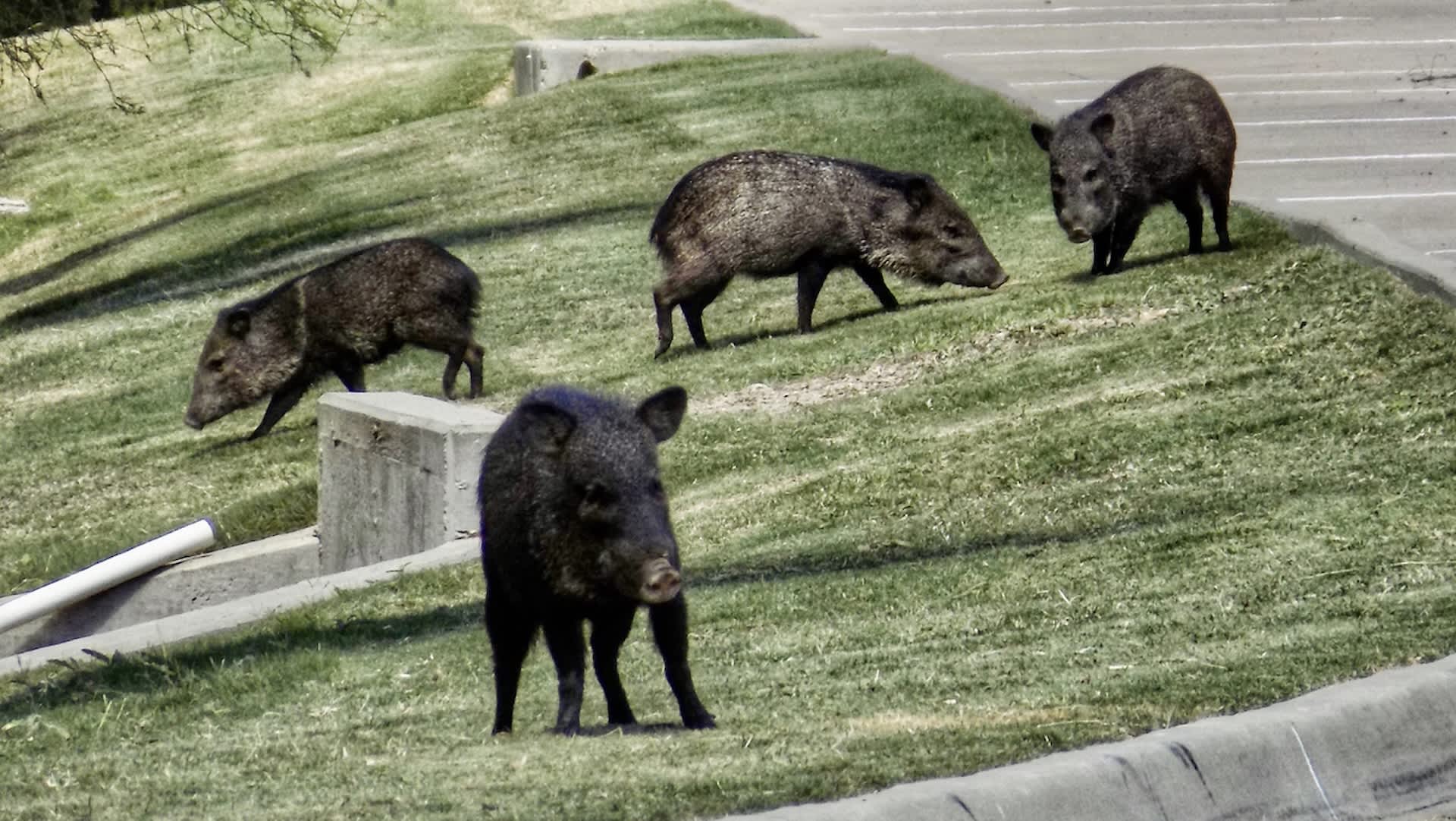
Feral hog complaints draw renewed attention in Edgewater
Edgewater residents dealing with torn-up lawns and damaged landscaping are seeing the city renew its response to a familiar problem: feral hogs moving deeper into residential areas. According to the source report, city leaders discussed the issue at a May 4 meeting, with concern focused on the Florida Shores area and other neighborhoods where homeowners have reported repeated yard damage.
The problem is not new in Edgewater, but officials say it has become harder to ignore as development changes the landscape around longtime wooded areas. Mayor Diezel Depew said feral hogs have been a nuisance in the community for generations. City leaders believe the loss of habitat is pushing the animals closer to homes, where they root through grass and landscaped areas in search of food.
Why the damage keeps happening
Residents have described lawns being churned up overnight, leaving behind repair bills and frustration. The source report says officials pointed to several conditions that may attract hogs, including newly mowed grass, bug activity and acorns dropped by oak trees. Those factors can make some yards especially vulnerable when hogs are active nearby.
Police Chief Charles Geiger said the city can review complaints and involve animal control when needed. If conditions warrant, a trapper can be called in to target problem areas. The report says a trapper is set to begin work in the Oak Trail and South Air Park areas and remain there for roughly 30 days, an effort meant to give residents some relief even if the issue is unlikely to disappear permanently.
What residents should know
Officials were candid that feral hogs are difficult to eliminate for good. Geiger said it is often a problem that gets addressed temporarily before returning later. That matches a broader statewide reality: the Florida Fish and Wildlife Conservation Commission says feral hogs are found in every Florida county and cause millions of dollars in damage each year.
For Edgewater homeowners, the practical takeaway is that reporting repeat activity matters. Complaints help police and animal control identify hotspots and decide where trapping resources should be focused. Residents who notice fresh rooting damage, recurring nighttime activity or patterns in specific blocks may help the city build a clearer picture of where hogs are moving.
A local nuisance with wider environmental effects
Beyond damaged lawns, invasive hogs can disrupt green spaces and create ongoing costs for both residents and local government. In a city where many neighborhoods sit close to natural areas, the tension between growth and wildlife movement is likely to remain part of the conversation.
For now, Edgewater’s response appears centered on complaint review, targeted trapping and public awareness. Residents in affected neighborhoods will be watching closely to see whether the latest trapping effort reduces damage in the weeks ahead.


