 79°F Scattered clouds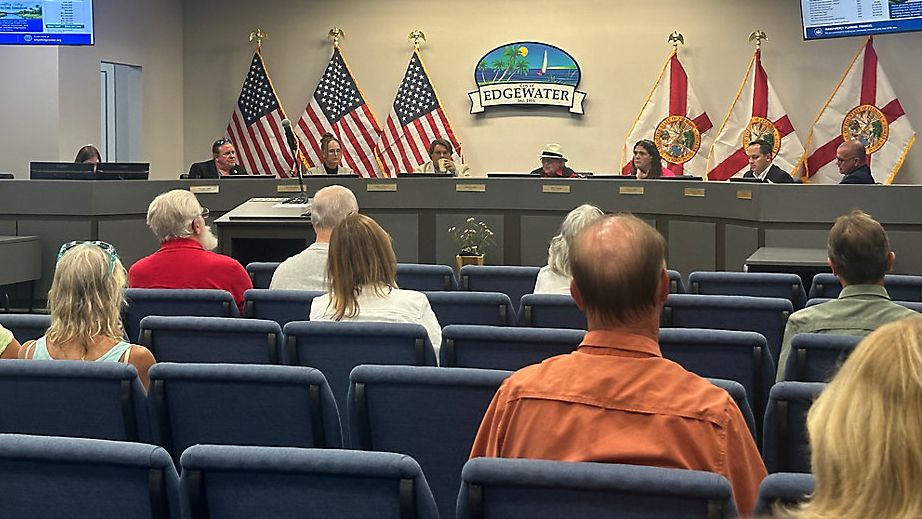
City maps out decades of drainage work
EDGEWATER city leaders say a newly presented stormwater master plan is meant to give the city a clearer roadmap for tackling one of residents’ most persistent complaints: flooding. During a Monday night presentation, officials outlined a four-phase strategy that looks 25 to 30 years ahead and identifies major drainage and canal improvements they believe will be needed as Edgewater grows and faces future rainy seasons.
The plan is the city’s first comprehensive stormwater update since 2014. According to officials, the new document is intended to evaluate how water moves through both older neighborhoods and newer development areas, helping the city prioritize projects and make a stronger case for outside funding. Mayor Diezel DePew said the plan gives Edgewater something concrete to bring to state leaders when seeking money for large-scale infrastructure work.
Residents say flooding has become familiar
For many people in Edgewater, the issue is not theoretical. Residents interviewed in the report described flooded streets, damaged homes and the all-too-common sight of soaked drywall and carpet piled at the curb after heavy rain. One resident said some areas see cars stranded in high water, underscoring how quickly routine storms can turn into neighborhood disruptions.
That local experience is part of why the plan matters beyond City Hall. Edgewater’s small-town, waterfront setting is a major draw, but the same low-lying geography can leave neighborhoods vulnerable when drainage systems are overwhelmed. With rainy season approaching, the city’s ability to move water efficiently is likely to remain a top concern for homeowners and drivers alike.
Big price tag, phased approach
Officials estimate the full buildout could cost between $250 million and $500 million. Among the projects discussed are widening canals, including along Wildwood Avenue, updating culverts and improving other pieces of canal infrastructure. DePew also pointed to possible retention areas and floodgate-related work as part of the broader effort.
Phase 1 is already underway, city officials said, and is expected to take nearly a decade at a cost of about $150 million. Leaders also said that first phase does not include housing acquisitions, an important detail for residents concerned about what future flood-control projects could mean for their properties.
What Edgewater residents should watch next
The master plan comes on top of other ongoing work, including recently installed canal sensors designed to measure water flow in city canals in real time. Those tools could help officials better understand where bottlenecks develop during storms and whether future improvements are making a difference.
For now, the plan does not solve flooding overnight. But it does give Edgewater a current engineering-backed blueprint at a time when development pressures and weather risks are both increasing. Residents will likely be watching closely to see which projects move first, how funding is secured and whether the city can turn a long-term plan into visible relief on the ground.


